
Top 12 Keys to Structuring Your LLC
Tuesday, August 08, 2023

Top 12 Keys for Structuring Your LLCs for Rental Properties
Investing in rental properties can be a lucrative venture, but it's essential to protect your assets and minimize risks. One effective way to achieve this is by setting up Limited Liability Companies (LLCs) to hold your rental properties. Properly structuring your LLC(s) can offer legal, financial, and tax advantages. Here's a guide on how to structure your LLC(s) for rental properties:
Protecting Your Real Estate Investments with the Right Structure
1. Separate Properties into Different LLCs: Consider creating a separate LLC for each rental property or grouping similar properties under one LLC. This limits liability to the assets within that particular LLC, shielding your other properties from potential legal issues.
2. Choose the Right State: Select a state with favorable LLC laws and tax regulations. Delaware, Wyoming, and Nevada are popular choices due to their business-friendly environments.
3. Register Your LLC: Register your LLC with the chosen state's Secretary of State and ensure you comply with their regulations. This step legally establishes your LLC.
4. Operating Agreement: Draft a comprehensive operating agreement outlining ownership structure, management roles, profit distribution, and dispute resolution procedures. This document clarifies how the LLC will operate and helps prevent conflicts.
5. Name Your LLC: Choose a unique and relevant name for your LLC that's not already in use. The name should reflect the business nature and be easy to remember.
6. Obtain an EIN: Obtain an Employer Identification Number (EIN) from the IRS. This number is used for tax purposes and is necessary to open bank accounts and file tax returns.
7. Open a Separate Bank Account: Maintain a separate bank account for each LLC. This segregation ensures clear financial records and protects your personal assets from being commingled with the business's.
8. Insurance: Secure comprehensive liability insurance for each property and the LLC itself. This protects your assets in case of accidents, property damage, or lawsuits.
9. Document Transactions: Keep meticulous records of all financial transactions related to each LLC. This documentation is crucial for audits and maintaining transparency.
10. Regular Compliance: Stay current with annual filings, taxes, and other legal requirements in your chosen state. Failing to do so could jeopardize the legal protection an LLC offers.
11. Tax Considerations: Consult a tax professional to determine whether you should elect to be taxed as a sole proprietor, partnership, S corporation, or C corporation. Each option has distinct implications for your rental property income and deductions.
12. Professional Help: While setting up an LLC is achievable on your own, seeking legal and financial advice from professionals well-versed in real estate and business law can ensure you've covered all aspects comprehensively.
By carefully structuring your LLC(s) for rental properties, you can safeguard your investments, manage risk, and streamline your business operations. Always remember that laws and regulations vary, so it's crucial to stay informed and adapt your strategies as needed. It's always a smart move to have an attorney involved in the entire process. We HIGHLY recommend using one!

EFX Corp
Proud to be Veteran-Owned!
The team at Rent Paid Online is comprised of investors, landlords, tenants, and payment processing experts. We strive to be a resource to you in all facets of your business.
Subscribe to our blog for updates on industry trends, monthly newsletters, tips, tricks, and more!.
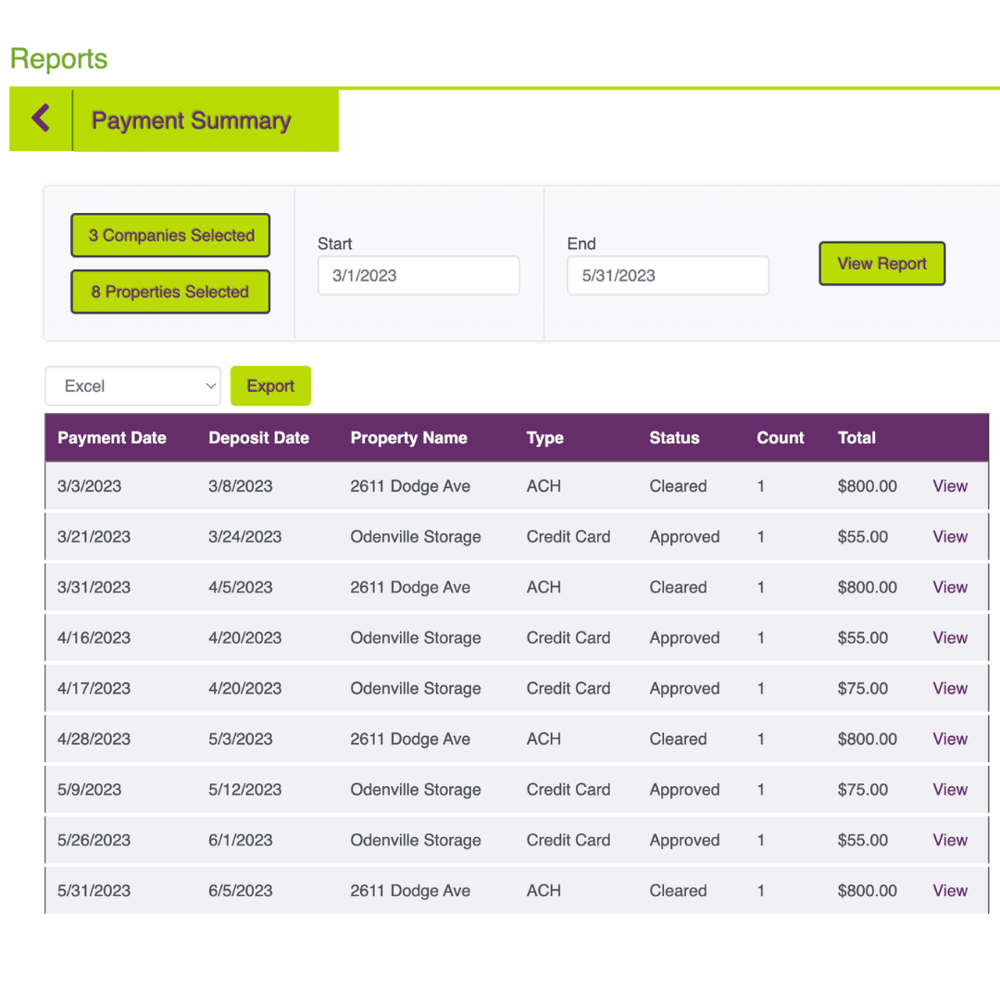
Explore Our Streamlined Payment Processing System.
You need this...
Looking for a no-frills solution to collect rent payments online? Rent Paid Online is a simple, secure platform to help you collect rent online.
Curious how it works? Get access to the product demo here: